Futuristic Header and Footer Interface: Elevating Digital Aesthetics
In the rapidly evolving landscape of digital design, the boundary between functional utility and artistic expression is constantly shifting. Designers and creators are no longer satisfied with standard, flat layouts that blend into the background. Instead, there is a surging demand for immersive elements that capture attention immediately. This is where the Futuristic Header and Footer Interface comes into play. These are not merely decorative borders; they are sophisticated user interface (UI) components designed to frame content with a sense of advanced technology, depth, and motion. Whether you are building a high-stakes gaming website, designing a sci-fi movie poster, or creating a dashboard for a tech startup, these elements provide an instant visual language that speaks of innovation.
Beyond the Standard Layout: What Defines the Look?
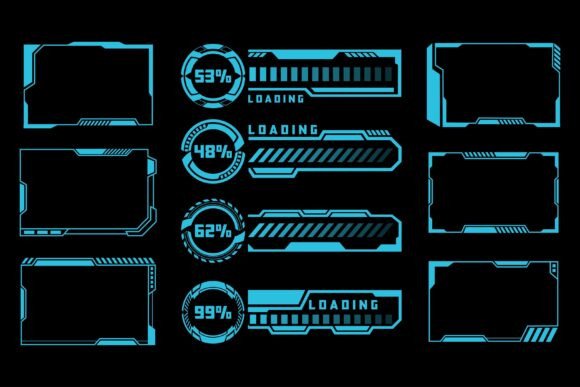
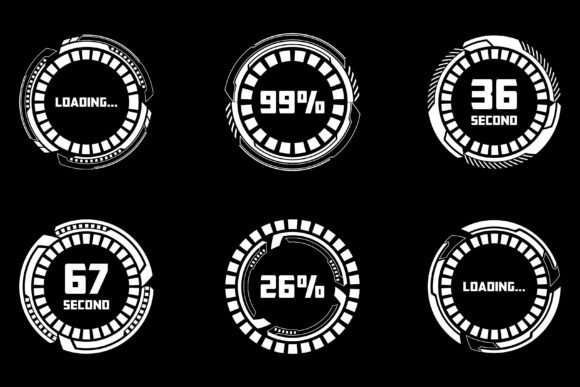
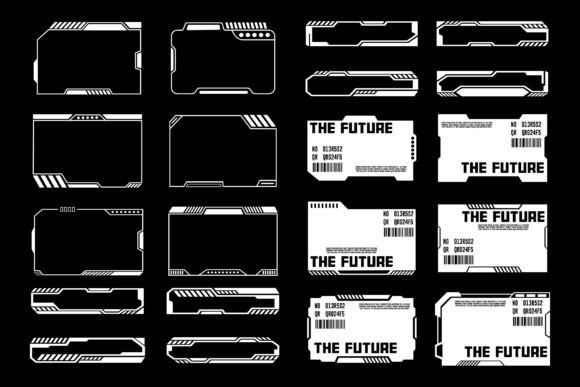
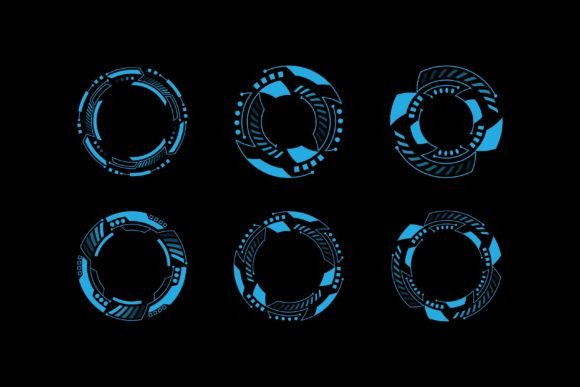
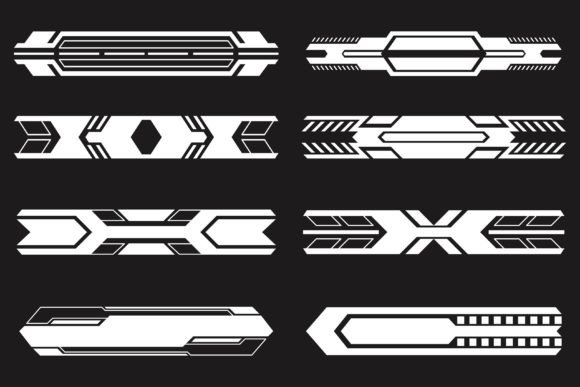
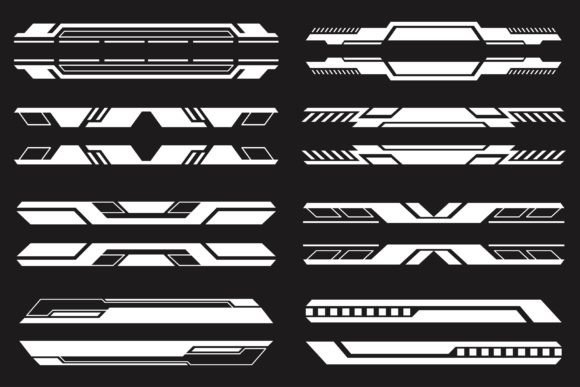
At its core, a Futuristic Header and Footer Interface consists of HUD (Heads-Up Display) frames, vector lines, data readouts, and geometric accents that mimic the look of advanced cockpit displays or holographic projections. Unlike traditional web headers that simply house navigation links, these interfaces transform the top and bottom of a screen into active zones of information and style. They often feature glowing edges, transparent glass effects, intricate grid patterns, and dynamic typography placeholders.
The versatility of these designs lies in their construction. Because they are created as vector graphics, they retain perfect clarity at any size, from a tiny mobile icon to a massive billboard print. The inclusion of JPG formats ensures compatibility across all platforms, while the editable nature of the vector files allows for deep customization. You aren't just pasting an image; you are integrating a modular system that can be stretched, recolored, and restructured to fit your specific narrative.
Real-World Applications in Gaming and Entertainment
The most immediate application for these futuristic frames is within the gaming industry. Game developers and UI artists frequently need to create menus, loading screens, and in-game overlays that feel cohesive with a sci-fi or cyberpunk setting. A standard white bar simply won't cut it when the game world is set in a neon-drenched metropolis or a deep-space station.
Imagine a scenario where a developer is finalizing the main menu for a new space exploration title. By utilizing a Futuristic Header and Footer Interface, they can instantly establish the atmosphere. The header might display a "system status" graphic, while the footer could feature a scrolling log of mission objectives. This transforms the user experience from passive clicking to active immersion. Similarly, streamers and content creators use these elements to brand their overlays on Twitch or YouTube, giving their broadcasts a professional, high-tech polish that distinguishes them from casual competitors.
Corporate Tech and Startup Branding
While gaming is the obvious choice, the utility of these designs extends far beyond entertainment. In the corporate sector, particularly for startups in AI, blockchain, cybersecurity, and robotics, the aesthetic of "the future" is synonymous with trust and capability. A fintech company launching a new cryptocurrency exchange doesn't want a website that looks like it was built in 2010. They need an interface that suggests speed, security, and cutting-edge algorithms.
Designers working on pitch decks, product landing pages, or annual reports for these companies often incorporate HUD-style frames to highlight key metrics. For instance, a footer featuring a sleek, data-driven timeline can make a company's growth trajectory look more impressive and analytical. It signals to investors and clients that the organization is forward-thinking and technologically superior. The ability to modify the vector files means a designer can adjust the color palette to match a brand's specific guidelines—shifting from electric blue to corporate teal without losing the structural integrity of the design.
Print Media and Event Decoration
The versatility of these assets is not limited to screens. Because the files are provided in high-quality vector formats, they are perfectly suited for large-scale print applications. Event organizers hosting tech conferences, product launches, or science fiction conventions often struggle to find decor that fits the theme. Standard banners often look flat and unengaging.
By printing a Futuristic Header and Footer Interface on vinyl backdrops or incorporating it into stage design, event planners can create an environment that feels like a scene from a blockbuster film. Imagine walking into a convention booth where the entire perimeter is framed by glowing, holographic-style borders. It creates a "wow" factor that draws attendees in. Furthermore, these elements work exceptionally well for merchandise. T-shirts, posters, and packaging for tech gadgets can utilize these frames to give the product a premium, exclusive feel. The vector nature ensures that even when scaled up to a wall-sized banner, the lines remain crisp and the details sharp, avoiding the pixelation that plagues raster images.
Understanding the Workflow: From ZIP File to Final Design
One of the practical advantages of this resource is how it is packaged for ease of use. The design files are compressed into a single ZIP file, ensuring that all necessary assets—both the editable vectors and the ready-to-use JPGs—are delivered together. To access these tools, users simply need to extract the archive using standard software like WinZIP, WinRAR, or by double-clicking the file on modern operating systems.
Once extracted, the true power of the package becomes apparent. For those using Adobe Illustrator or similar vector editing applications, the design is fully layered and modifiable. This is crucial for professional workflows. You might need to change a font, extend a line to fit a wider screen, or swap out a color to match a client's logo. With a static image, these changes would require starting from scratch. With these vector files, you can manipulate individual paths, adjust anchor points, and recolor gradients in seconds. This flexibility saves hours of production time and allows for rapid iteration during the creative process.
Considerations Before Implementation
While these futuristic frames offer immense creative potential, there are practical considerations to keep in mind before applying them to a project. First and foremost is readability. The intricate details of a HUD interface can sometimes compete with the actual content. If the header is too busy with glowing lines and complex geometry, it may distract the user from the primary call to action or navigation menu. It is essential to balance the decorative elements with negative space, ensuring that the interface enhances rather than obscures the message.
Another consideration is the target audience's expectations. While a young demographic accustomed to video games and cyberpunk aesthetics will appreciate the complexity, a more conservative audience might find it overwhelming. Context is key. Using a highly stylized, sci-fi footer on a medical clinic's website might send the wrong signal, whereas it would be perfect for a biotech firm specializing in genetic engineering. Understanding the emotional tone you wish to convey is just as important as the technical execution.
Finally, consider the medium. On a small mobile screen, some of the finer details of a futuristic frame might get lost. When adapting these designs for responsive web layouts, it is often necessary to simplify the vector elements for smaller viewports while keeping the full detail for desktop versions. The editable nature of the files makes this adaptation straightforward, allowing designers to create lightweight versions of the same asset for different devices.
Empowering Creativity with Flexible Assets
The value of a Futuristic Header and Footer Interface goes beyond simple decoration. It serves as a foundational tool for storytelling, branding, and user engagement. Whether you are a freelance designer looking to speed up your workflow, a marketing team aiming to refresh a brand identity, or an event planner seeking to create an unforgettable atmosphere, these assets provide a robust starting point.
By offering both vector and JPG formats, the resource caters to a wide range of technical needs, from quick social media posts to complex print productions. The ability to extract the files easily and modify them in professional software ensures that the design remains unique to your vision. In a world where visual competition is fierce, having access to high-quality, adaptable, and aesthetically striking interface elements can be the difference between a project that blends in and one that stands out. Embracing these futuristic frames allows creators to push the boundaries of conventional design, bringing a sense of wonder and technological sophistication to every project they touch.